Product Launch Playbook: Step-by-Step Guide & Checklist to Turn Your Launch into a Growth Engine
A product launch can define a product’s trajectory: it’s not just about a single day but about how you build momentum, capture attention, and convert early interest into long-term users. Treat launches as a sequence—research, validate, execute, and iterate—and you’ll turn a one-time event into a growth engine.
Start with a rigorous pre-launch phase
– Validate demand: Run lightweight experiments to confirm people want the solution. Landing pages with email capture, paid ad tests, and short surveys are fast ways to measure interest before building everything.
– Nail positioning and messaging: Clear value propositions that answer “Who is this for?” and “What outcome does it deliver?” reduce friction. Use customer language discovered in interviews and forums to make copy resonate.
– Build a waitlist and community: Early adopters become evangelists.
Offer exclusive access, beta invites, or founder AMA sessions to convert curiosity into commitment.
– Prepare technical readiness: Implement feature flags, staged rollouts, and automated monitoring. Have a rollback plan and on-call support lined up to handle bugs or scaling issues.
Make launch execution coordinated and multi-channel
– Sequence your channels: Email to your community, PR to targeted outlets, social posts timed for peak engagement, and paid channels to amplify reach. Coordinate messaging so each touchpoint reinforces the same core benefit and call-to-action.
– Leverage social proof and urgency: Highlight testimonials, early case studies, and real usage metrics.
Options like limited-time onboarding bonuses, early-bird pricing, or capped beta seats increase conversion without gimmicks.
– Demo and content tactics: Publish clear product demos, explainer videos, FAQ pages, and how-to guides. Video walkthroughs and short GIFs perform well on social and reduce support load.
– Partner and influencer outreach: Target micro-influencers and niche partners whose audiences align closely with your buyer persona.
Personalized outreach beats blanket pitches.
Track the right metrics, not just vanity numbers
– Activation and conversion: Measure how many sign-ups complete a key action that demonstrates real intent (first transaction, first meaningful use, completed onboarding).
– CAC and early LTV estimates: Monitor acquisition cost against early lifetime value projections to spot sustainability issues.
– Retention and churn: Early retention cohorts reveal whether the product fits market needs. Small improvements in onboarding often yield outsized gains in retention.
– Qualitative feedback: Combine NPS, customer interviews, and support tickets to prioritize fixes and roadmap items.
Iterate rapidly after launch
– Close the feedback loop: Route customer insights to product, marketing, and support. Small UX changes, clearer onboarding flows, and FAQ updates can dramatically improve metrics.
– Publish wins and roadmap transparency: Share product updates, changelogs, and success stories to maintain momentum and trust.
– Scale acquisition thoughtfully: Once product-market fit signals emerge, expand channels and increase budgets incrementally while keeping cost-per-acquisition under control.
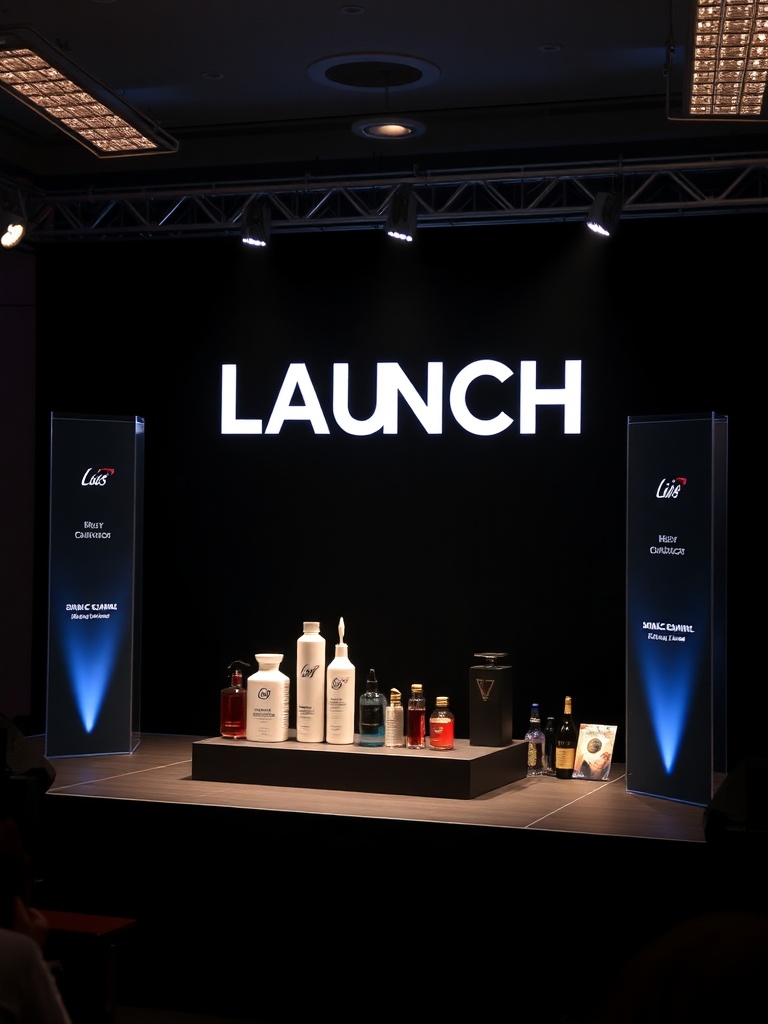
Practical checklist to start
– Validate demand via landing page or ad test
– Craft and test core messaging
– Build waitlist and prepare email sequences
– Set up feature flags, monitoring, and rollback plans
– Create launch content: demo, FAQ, support docs
– Coordinate PR, social, and paid media calendar
– Define activation, retention, and CAC targets
– Plan for rapid iteration post-launch
A launch performed with preparation, alignment, and measurable goals turns an initial spike into sustained growth. Focus less on theatrics and more on delivering value, reducing friction, and listening to your earliest users—those signals will guide the product to lasting success.